



When I first heard the words “fibrosarcoma in dogs,” I had no idea what they meant. All I knew was that my dog Arya had a strange swelling under her tongue that wouldn’t stop growing. After weeks of observation, a biopsy, and heartbreaking moments, I came to understand what fibrosarcoma truly is — and I want to help other dog owners know it before it’s too late.
A Quick Definition
Fibrosarcoma is a type of malignant tumor that arises from the fibrous connective tissue. In dogs, it often appears in the mouth (oral fibrosarcoma), but it can also affect other parts of the body such as the skin, limbs, and trunk.
What makes canine fibrosarcoma dangerous is that it grows locally, invading nearby tissue and bone, particularly in the mouth or jaw. It doesn’t always spread to other parts of the body (metastasize), but it aggressively destroys surrounding structures.
Common Signs of Fibrosarcoma in Dogs
From my own experience and the information I’ve gathered, here are the signs to watch for:
- Unusual swelling in or under the mouth
- Excessive drooling (often with a foul smell)
- Difficulty eating or chewing food
- Dropping food from the mouth
- Bleeding from the mouth
- Weight loss and fatigue
- Bad breath
- Visible deformation of the jaw or mouth
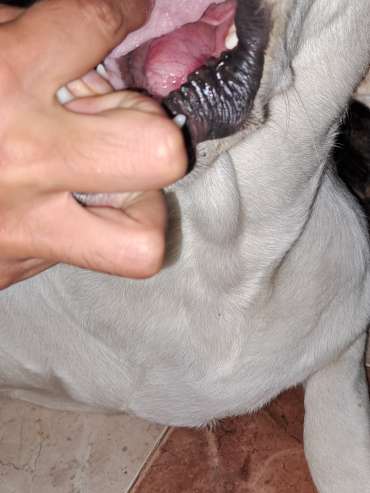
In Arya’s case, the first signs were subtle — head scratching, saliva, and feeding difficulties. But within weeks, a visible tumor had formed. What seemed like a minor irritation turned out to be oral fibrosarcoma in dogs.
What Causes Fibrosarcoma in Dogs?
Unfortunately, the exact cause is still unknown. Some factors that may increase risk include:
- Genetic predisposition (certain breeds may be more susceptible)
- Previous trauma or inflammation in the tissue
- Age (usually affects middle-aged or older dogs)
Arya was only six years old, which made her case rarer, but not impossible.
How Is Fibrosarcoma Diagnosed?
The most reliable way to confirm fibrosarcoma is through a biopsy. Vets may also use:
- X-rays (to see if the tumor has affected bone)
- CT scans or MRIs (for detailed images)
- Blood tests (to check overall health before treatment)
In Arya’s case, initial guesses pointed to a salivary gland issue. Corticosteroids delayed the progression, but it wasn’t until a biopsy was done that we got the true diagnosis: fibrosarcoma dog mouth tumor.
Is Fibrosarcoma in Dogs Treatable?
Yes, but it depends on the stage and location. Common treatments include:
- Surgical removal: The most effective option, especially if the tumor is localized. In oral cases, it may require removal of part of the jaw.
- Chemotherapy: Drugs like vincristine or doxorubicin may help slow the growth.
- Radiation therapy: Often used post-surgery to reduce recurrence.
Every treatment path has pros and cons. In our case, we chose chemotherapy, but the tumor was already invading the jawbone.
How Long Can a Dog Live with Fibrosarcoma?
- With early diagnosis and full surgical removal: 1 to 2 years or more
- With chemotherapy only: Several months, depending on response
- Without treatment: The tumor will continue to grow, eventually affecting breathing, feeding, and comfort
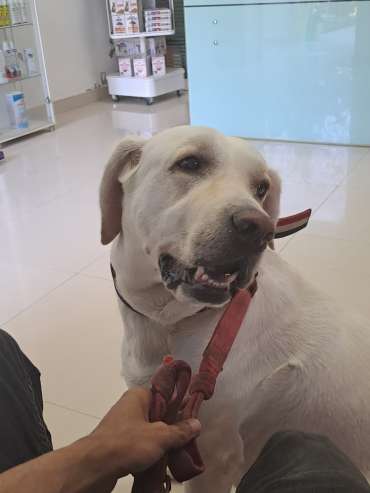
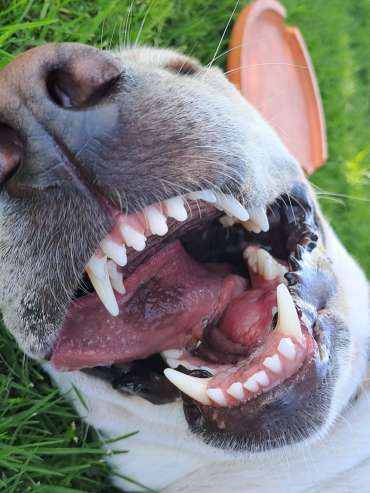
In Arya’s case, even though the tumor was advanced, she still showed moments of joy, love, and energy. These gave me strength to continue caring for her until the very end.
Final Words to Dog Owners
If you’re reading this because your dog has just been diagnosed with fibrosarcoma, know that you’re not alone. This tumor is aggressive, but catching it early can change everything.
Pay attention to the small signs. Advocate for more testing if something doesn’t feel right. Trust your gut — you know your dog better than anyone.
I created this site not just to inform, but to share, support, and help others prepare for the difficult path ahead.
Keywords Targeted:
- fibrosarcoma in dogs
- canine oral fibrosarcoma
- fibrosarcoma dog mouth
- oral fibrosarcoma dog
Stay tuned for more guides on treatment options, emotional support, and how to deal with the grief after losing a beloved pet.
