


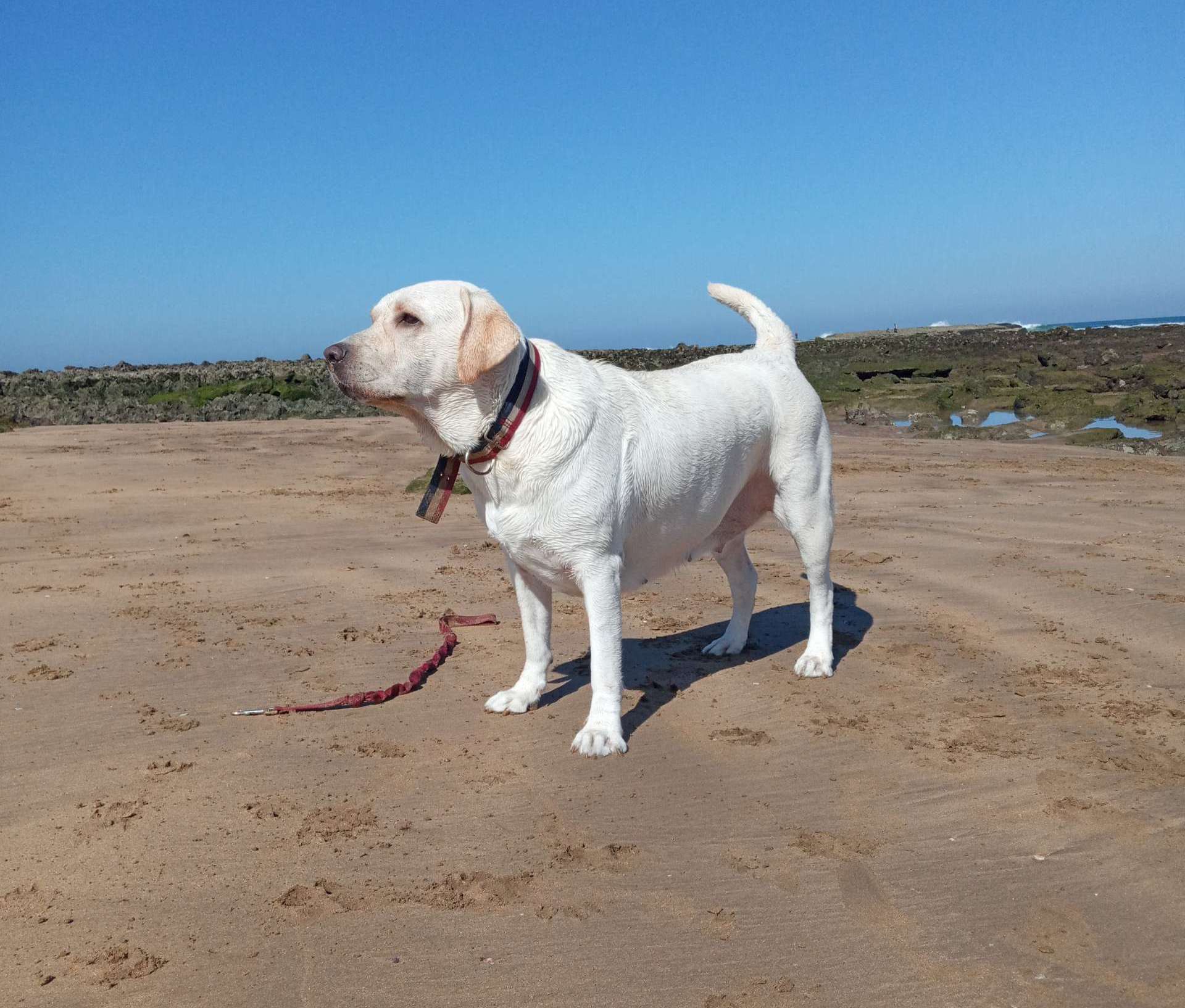
When my beloved dog Arya was diagnosed with fibrosarcoma in her lower jaw, the veterinarian suggested chemotherapy as a way to slow the tumor’s growth and improve her quality of life. Like many pet owners, I had more questions than answers: Does chemo work for dogs? Will it hurt her? What side effects should I expect?
In this article, I’ll share everything I learned from Arya’s chemotherapy journey — from the first session to the emotional rollercoaster that followed.
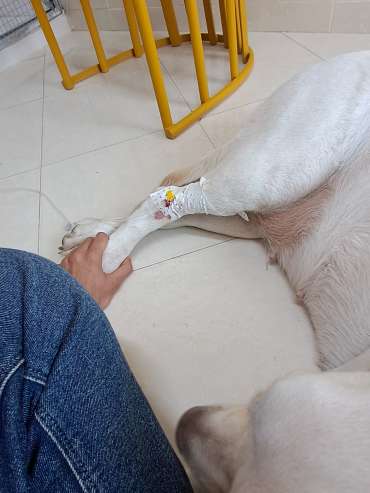
Why Chemotherapy Was Recommended
After the biopsy confirmed that Arya had oral fibrosarcoma, we faced a difficult choice. Surgery would have meant removing her entire lower jaw — a traumatic and life-altering procedure. Given how deeply the tumor was embedded in the bone, the vet explained that chemo was our best chance at slowing its progression without immediately resorting to invasive surgery.
Chemotherapy for dogs doesn’t work like in humans. It’s generally milder, designed to extend life and improve comfort, not necessarily to cure the cancer.
The First Chemo Session: Vincristine
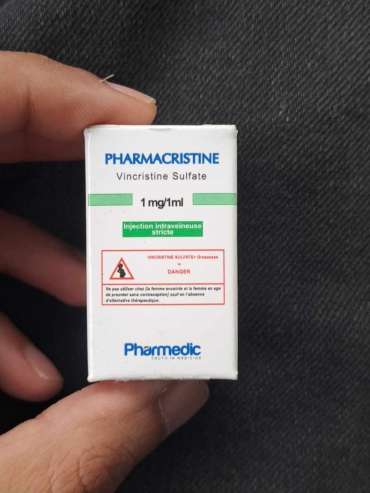
Arya’s first chemotherapy drug was Vincristine (1mg), administered through an IV along with 500ml of fluid (serum). She was calm during the process, and the procedure didn’t seem to hurt her physically.
However, within the first 24–48 hours, she began to experience side effects:
- Vomiting (4 times in one day)
- Fatigue and weakness
- Loss of appetite
- Mild dehydration
These symptoms were hard to witness, but I was told they were within the expected range of chemo side effects in dogs.
After a Few Sessions: Progress and Concerns
After the second and third sessions, some things improved, and others didn’t:
- The tumor seemed to slow in growth, but didn’t shrink
- Saliva remained excessive, with a foul odor
- Arya remained mentally strong — she was still happy when I returned home, still wanted to go out
- Appetite fluctuated — sometimes she ate, sometimes she only drank water
It was clear that chemotherapy wasn’t a cure, but it was helping her stay stable.
Things I Didn’t Know Before
- Chemotherapy drugs work for a limited time. Each dose has a temporary effect and often needs repetition every 1–2 weeks.
- Vincristine may not be the most effective option for oral fibrosarcoma. Some vets later suggested Doxorubicin might be more appropriate.
- Chemo alone may not stop the tumor if it’s already advanced or if the bone is involved.
- Some vets refused to give false hope, saying chemo might not be worth it.
What to Expect During Chemo for Fibrosarcoma in Dogs
- Regular blood tests to monitor immune system and organ health
- IV infusions in a calm clinical setting
- Temporary discomfort, nausea, or vomiting post-treatment
- Mood swings: moments of weakness followed by bursts of joy
Every dog reacts differently. Some dogs tolerate chemo well. Others struggle. The key is to stay observant, supportive, and responsive.
Was It Worth It?
For me, the answer is yes — not because it cured Arya, but because it gave us a few more weeks of shared moments. She still wagged her tail, followed me around, and lay beside me. That time was precious.
Chemotherapy helped delay the suffering, even though it couldn’t stop the tumor permanently.
Final Advice for Pet Owners
- Ask your vet about drug options: Vincristine, Doxorubicin, etc.
- Monitor your dog closely post-treatment
- Prioritize comfort, hydration, and emotional support
- Don’t be afraid to seek a second opinion if something doesn’t feel right
SEO Keywords Targeted:
- chemotherapy for dogs with fibrosarcoma
- canine oral fibrosarcoma treatment
- vincristine dog cancer
- dog jaw tumor chemo
This journey is hard, and every decision is heavy with emotion. But you’re not alone. I hope Arya’s story helps guide you and bring you some clarity.
Stay kind. Stay hopeful.
