


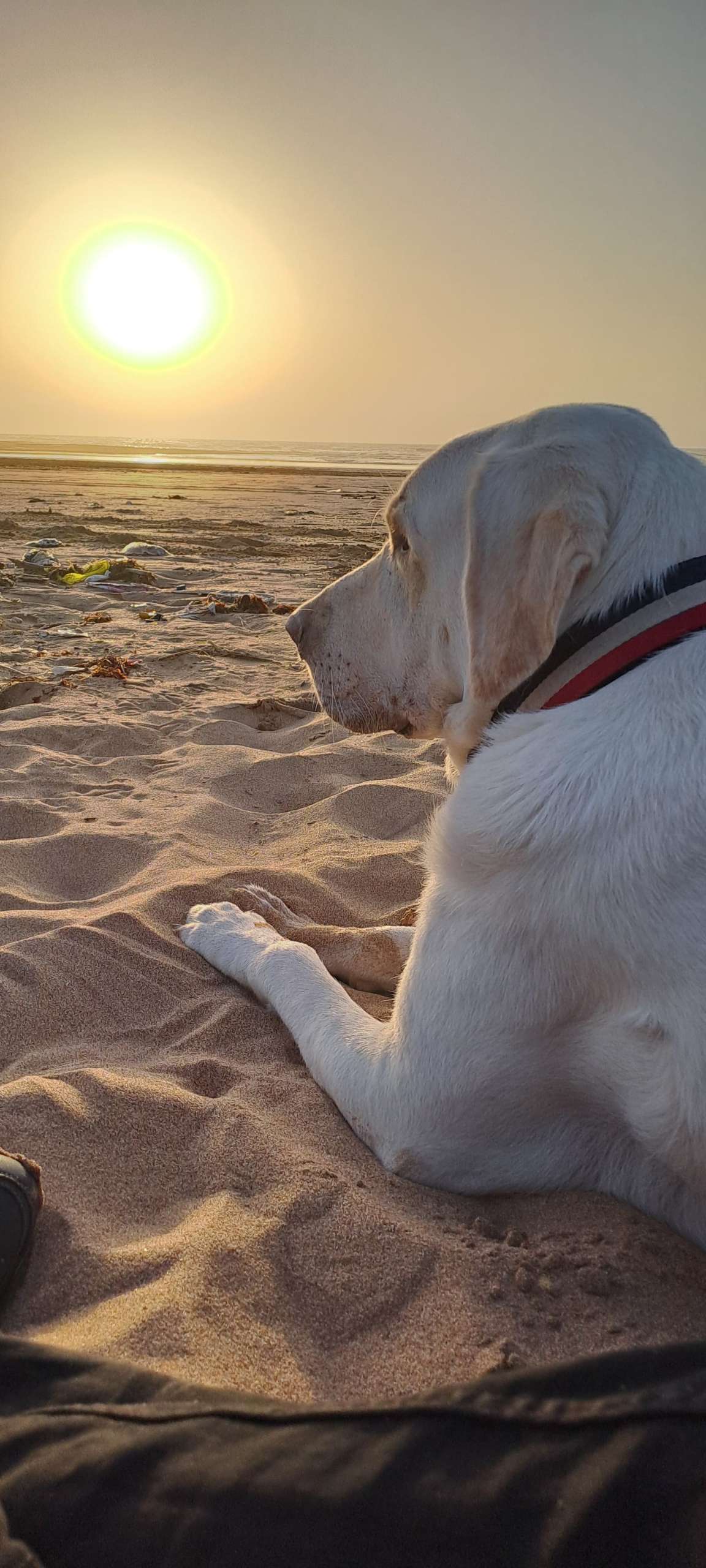
When my dog Arya first started showing signs that something was wrong, cancer was the last thing on my mind. As a dog owner who loved and cared for her deeply, I noticed small changes, but never imagined they would lead to a diagnosis of fibrosarcoma in dogs.
It All Started with Head Scratching
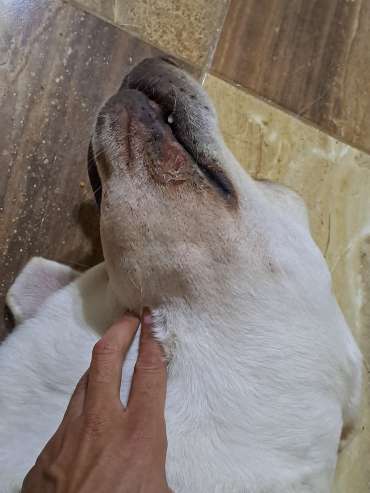
At first, Arya began scratching the left side of her head, near her ear, more frequently than usual. It wasn’t alarming at first. I thought it might be a bug bite or some skin irritation. But then, the scratching became obsessive. She was trying to relieve something deeper, something I couldn’t yet see.
Unusual Drooling and Feeding Difficulty
Soon after, I began noticing excessive drooling, much more than normal. At mealtimes, Arya would drop her food while eating. She clearly wanted to eat, but something in her mouth was making it difficult. Her energy levels dropped, and she no longer had the strength or desire to play like before. She struggled to sleep, often staying awake and visibly uncomfortable.
The Day I Noticed the Swelling
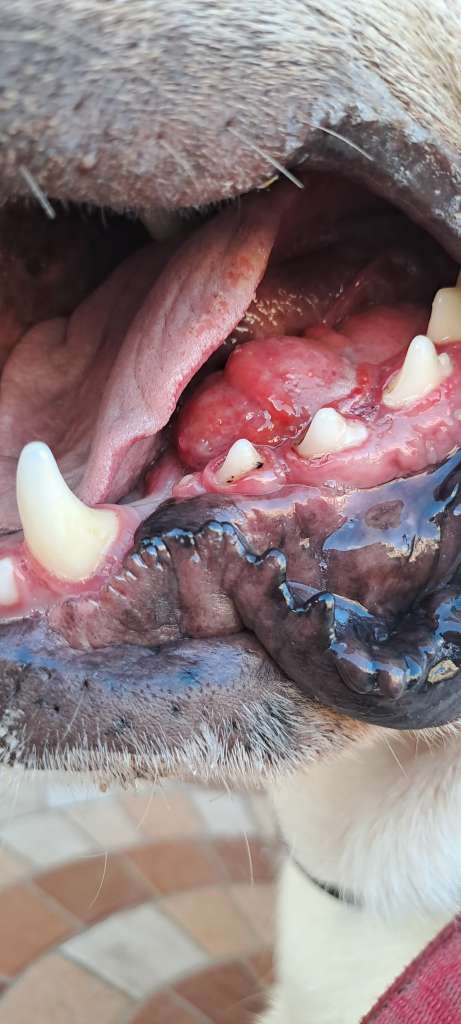
One day, while playing gently with her, she rolled over, and that’s when I saw it: a strange swelling under her tongue. It wasn’t just small inflammation. It was a growing mass — firm, odd-looking, and clearly getting larger day by day. That’s when I knew we needed to talk to a vet immediately.
A Misleading Diagnosis
As fate would have it, Arya had a scheduled appointment for her regular vaccine shot. I seized the opportunity to show the vet the swelling. His initial suspicion wasn’t cancer. He thought it might be an issue with her salivary gland — a blocked duct, perhaps, or a condition where saliva builds up inside a swollen gland.
We were prescribed corticosteroids, which provided some relief. The swelling seemed to slow down, and Arya looked more comfortable. But something didn’t feel right. The medicine was only masking the symptoms, not healing the root cause. She stayed extremely thirsty and tired.
The Turning Point
Over the following days, the mass kept growing. It became clear that the treatment wasn’t solving anything. I pushed for further investigation: a biopsy. And then came the moment no dog parent wants to hear. The diagnosis: oral fibrosarcoma — a malignant tumor in the mouth.
My heart sank.
What I Learned
- Canine oral fibrosarcoma often starts subtly: scratching, drooling, or eating difficulty.
- Misdiagnosis can delay proper treatment. Many fibrosarcomas are initially mistaken for salivary gland problems or dental infections.
- Early biopsy can be life-saving, or at least give you time to prepare.
Keywords This Story Targets:
- fibrosarcoma in dogs
- canine oral fibrosarcoma
- fibrosarcoma dog mouth
- oral fibrosarcoma dog
This was just the beginning of our fight with fibrosarcoma. In upcoming posts, I will share how we approached treatment, dealt with chemotherapy, and managed pain. If your dog is showing similar symptoms, don’t wait. Early diagnosis matters more than anything.
Stay strong. You’re not alone.
