





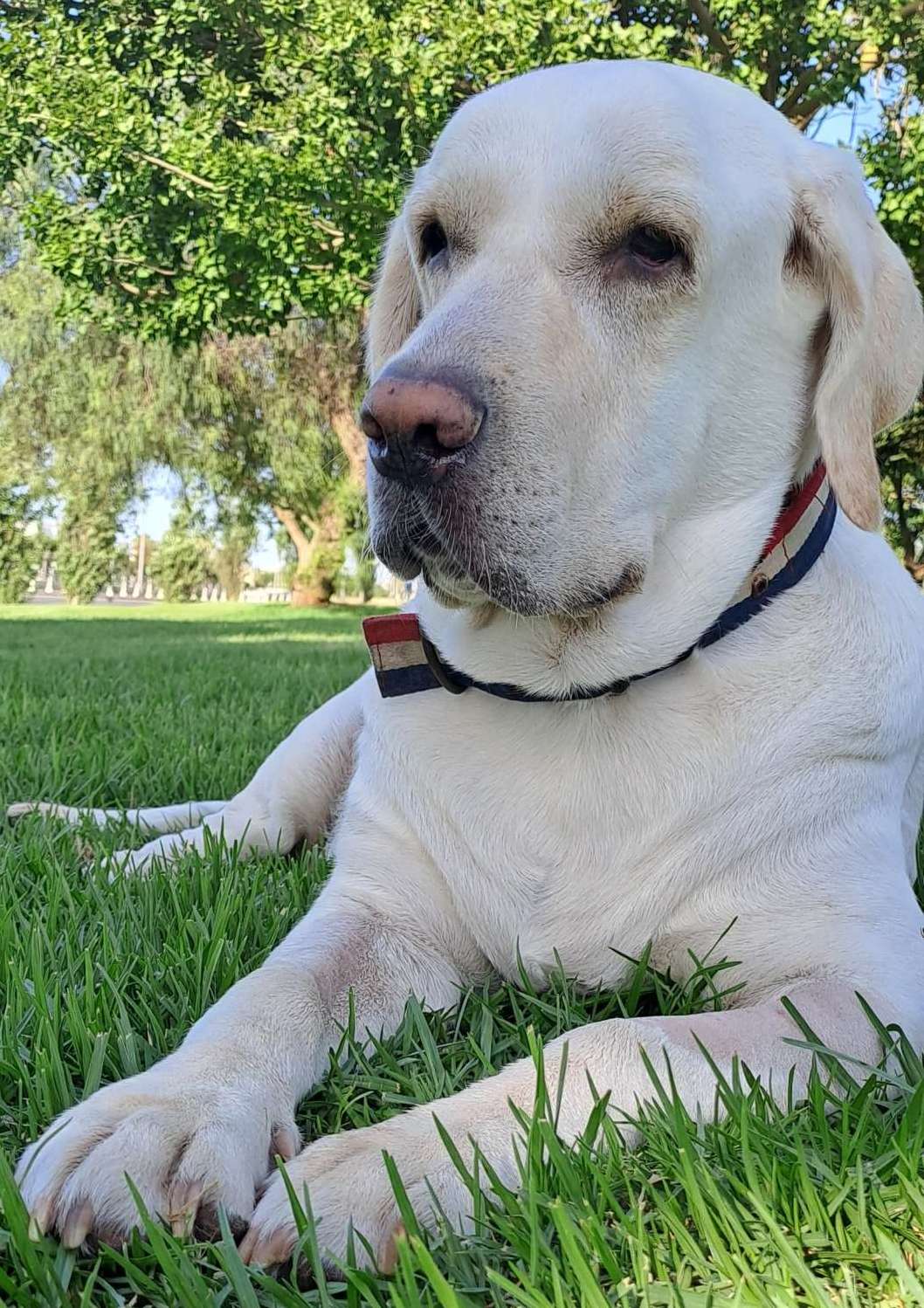
Discovering that your dog has a tumor is a devastating moment for any pet owner. In Arya’s case, the journey to a correct diagnosis was filled with confusion, delays, and emotional struggle. Here, I want to share the full story of how we went from a strange swelling under the tongue to a confirmed case of fibrosarcoma in the jaw.

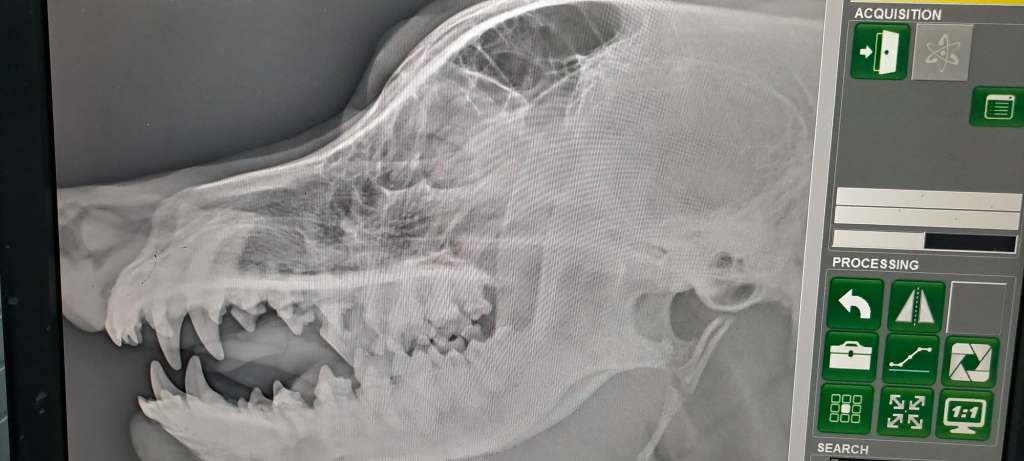
First Vet Visit: A Misleading Diagnosis
When I first noticed a swelling under Arya’s tongue, my instinct told me something was off. The first veterinarian we visited suspected a salivary gland problem, possibly a saliva build-up caused by a blocked duct. He prescribed corticosteroids to reduce the inflammation and swelling. At first, it seemed to help. Arya looked a bit more comfortable, and the swelling stopped growing as fast.
But I wasn’t convinced. Something inside told me that this wasn’t just a gland issue.
Second Opinion: Same Conclusion, More Cortisone
Not feeling confident, I visited a second vet. Surprisingly, he came to the same conclusion as the first: an issue with the salivary glands. Again, I was prescribed corticosteroids.
At this point, Arya’s drooling became worse, her appetite declined, and she started to seem more tired and weak. The swelling continued to grow, and I knew I had to go deeper.
A Trip to the Capital: Seeking a Veterinary Specialist
I decided to take Arya to a veterinary institute in the capital, searching for a skilled veterinary surgeon who could look deeper into the issue. That’s where I met a professional who suggested immediate action:
“We need to anesthetize her and attempt to remove the mass now.”
We agreed. The swelling was becoming unbearable for Arya, and her comfort was our priority.

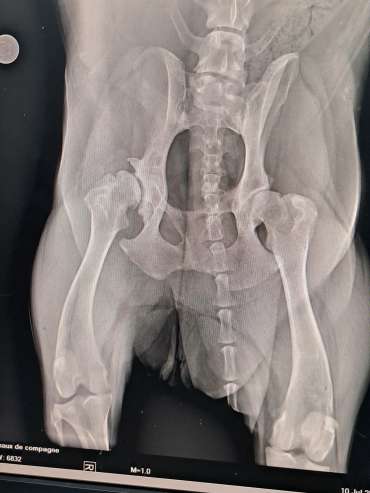
The Shock During Surgery
While attempting to remove the mass, the surgeon discovered something unexpected and deeply concerning:
“The tumor is stuck to the jawbone. I can’t fully remove it without damaging the jaw.”
So instead of removal, he carefully took a biopsy sample and sent it to the lab for analysis.
The Diagnosis: Oral Fibrosarcoma in the Lower Jaw
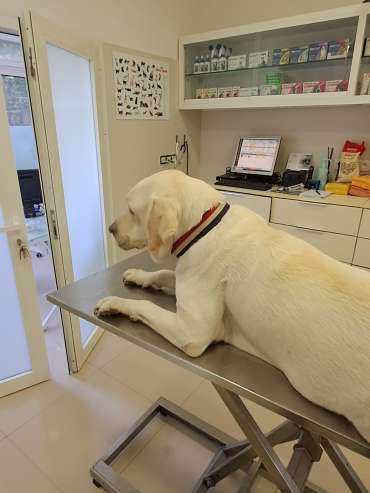
After several anxious days waiting for the lab results, the surgeon confirmed it:
“Your dog has oral fibrosarcoma attached to her lower jawbone.”
It was a difficult moment. I was flooded with emotion, guilt, and confusion. But at least now we had an answer.
Next Step: Chemotherapy
The surgeon recommended chemotherapy as the best option, given the tumor’s location and how deeply it had invaded the jawbone. Surgical removal would have required cutting out the entire lower jaw, a decision we were not ready for at the time.
So we began chemo treatment, hoping to slow the tumor’s growth and offer Arya the best quality of life possible for the time she had left.
Key Takeaways for Dog Owners
- Don’t settle for the first opinion, especially with oral swellings that grow fast.
- Corticosteroids can mask symptoms but don’t cure cancer.
- A proper biopsy is essential to confirm fibrosarcoma.
- Finding an experienced veterinary surgeon made all the difference.
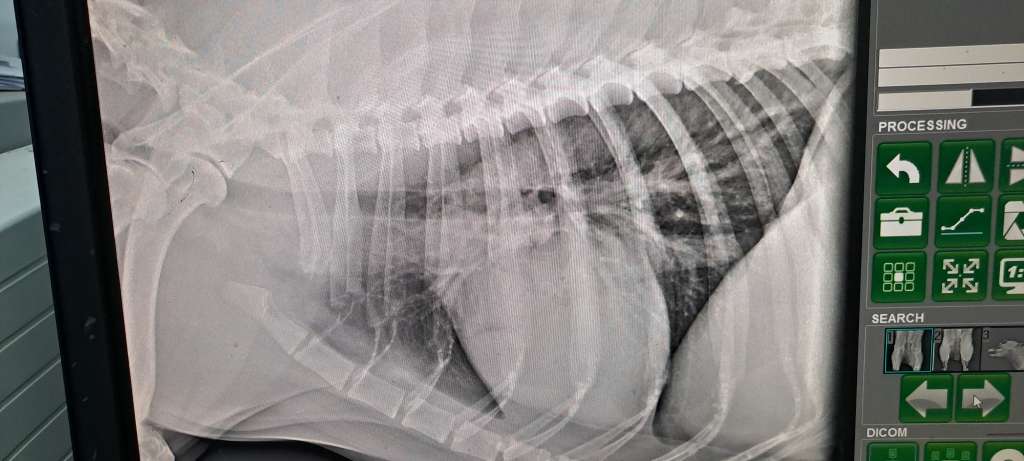
SEO Keywords Covered in This Post:
- fibrosarcoma in dogs
- canine oral fibrosarcoma
- fibrosarcoma dog mouth
- oral fibrosarcoma dog
This experience was one of the most difficult periods of my life, but I hope by sharing it, I can help other dog owners avoid delays and missteps in getting their dogs the care they need.


